Parallel Lab - A new kind of design studio
Role
Co-founder, Founding Designer
Problem
The design industry is full of studios that execute. They take a brief, produce deliverables, and move on. What's rarer is a studio that thinks — that comes to a project not just as a visual executor but as a thinking partner who cares about what the product actually does for the people using it.
The gap we kept noticing, especially in the markets we worked in, was between studios that made things look good and studios that made things work well. Most clients had experienced one or the other. Very few had experienced both at the same time.
The harder internal problem was this: running a studio is two entirely different jobs. Designing is one. Running a business is another. And most designers — us included, early on — are not prepared for the second one when they start the first.
Process
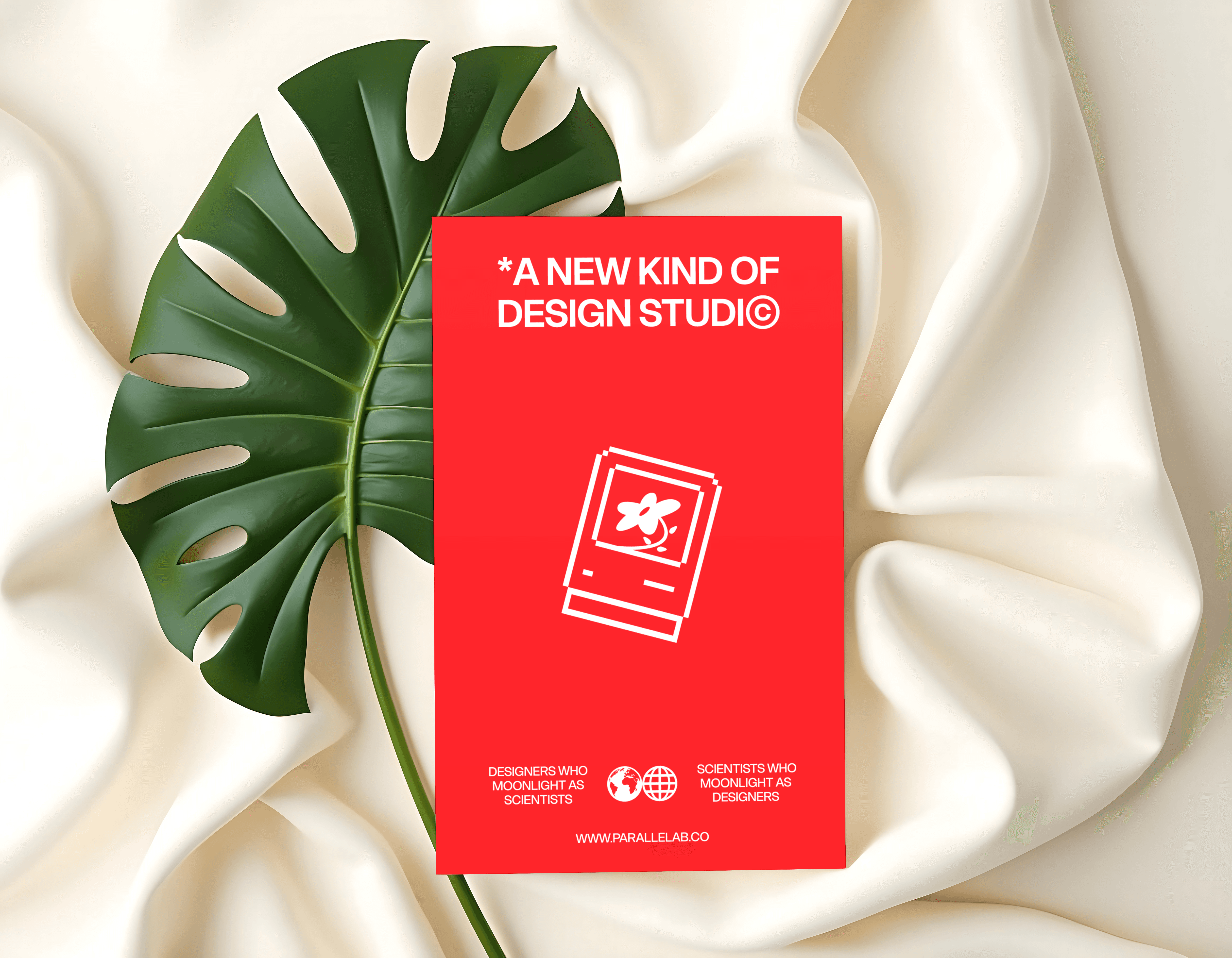
The way Parallel Lab approaches projects is shaped by a single idea: form meets function. Not form over function, not function at the expense of form — both, at the same time, treated as equally important.
In practice that means every project starts with the problem before it starts with the pixels. Who is this for? What are they trying to do? What gets in their way today? The visual direction emerges from the answers to those questions, not the other way around.
Client work also requires managing the tension between what a client wants and what their users need. Founders and business owners arrive with opinions — sometimes strong ones — about what should be built. Part of the studio's job is to hold that perspective while also pushing back professionally when the evidence points elsewhere. Not confrontationally, but with clarity. This is what it means to be a creative partner rather than a service provider.
The team dynamic — designer, developer, project manager — means the studio can take a project from concept to shipped product without handoff friction. The person who thought through the experience is the same person who designed it, working directly with the person who built it. That continuity matters. It shows in the work.
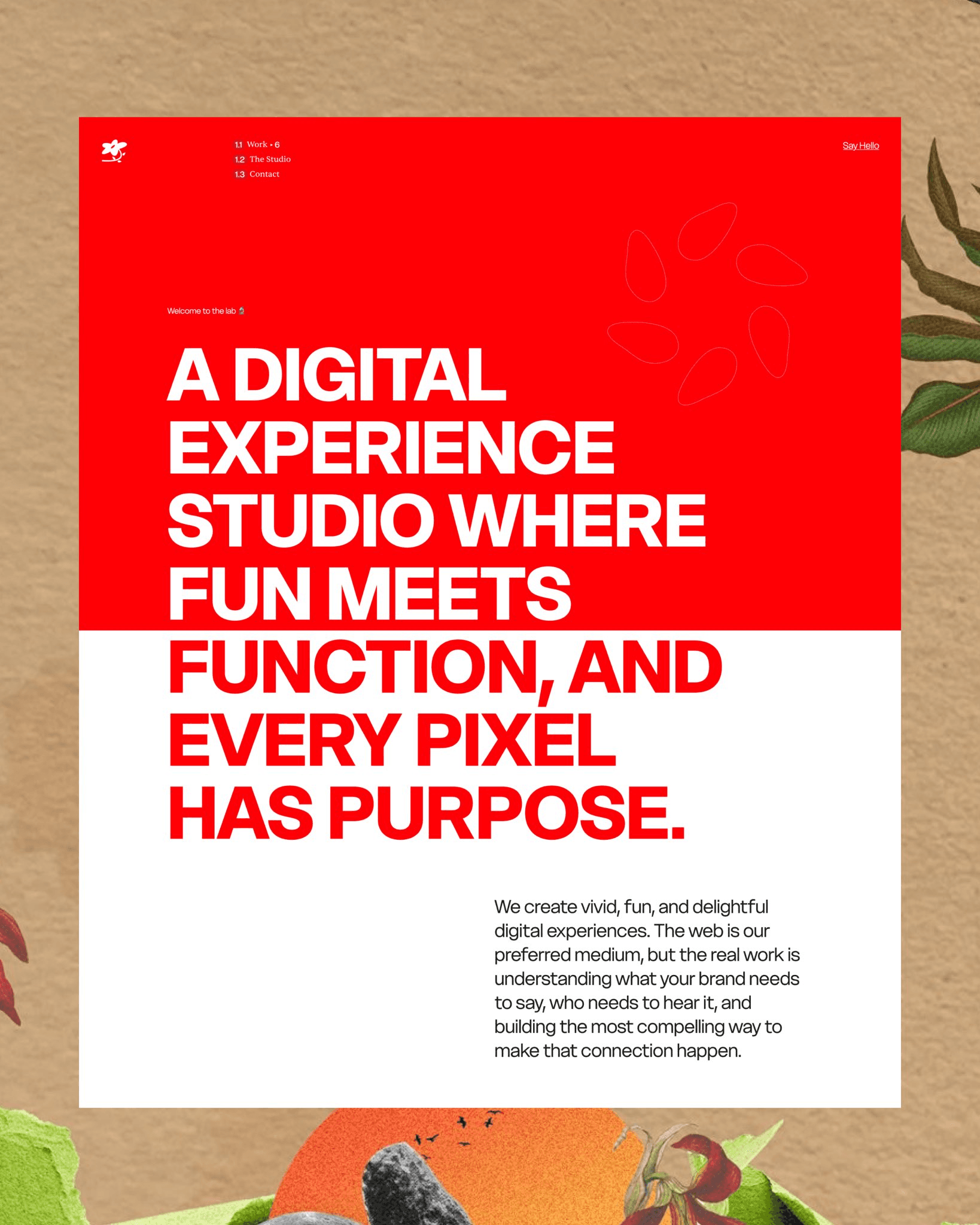
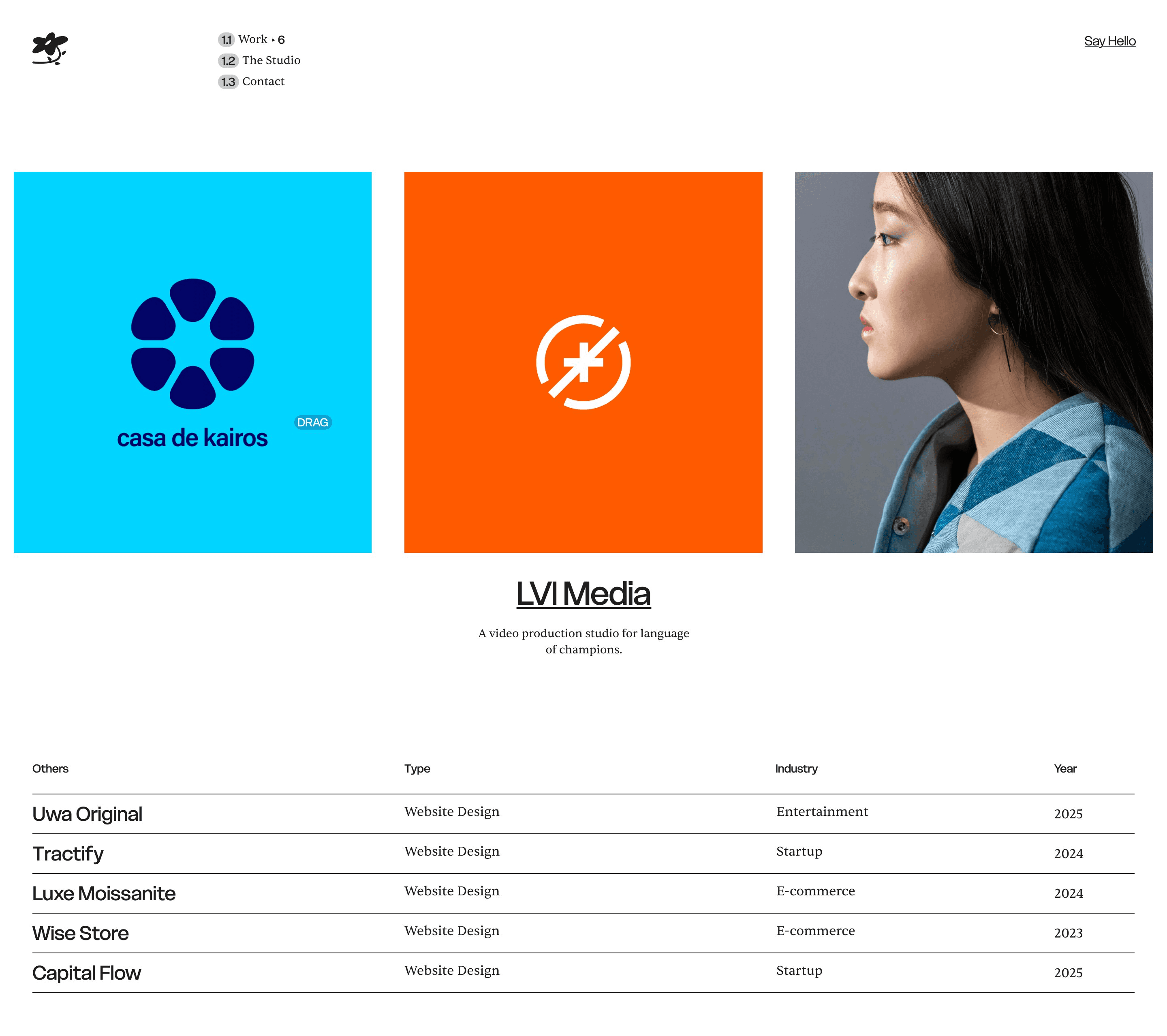
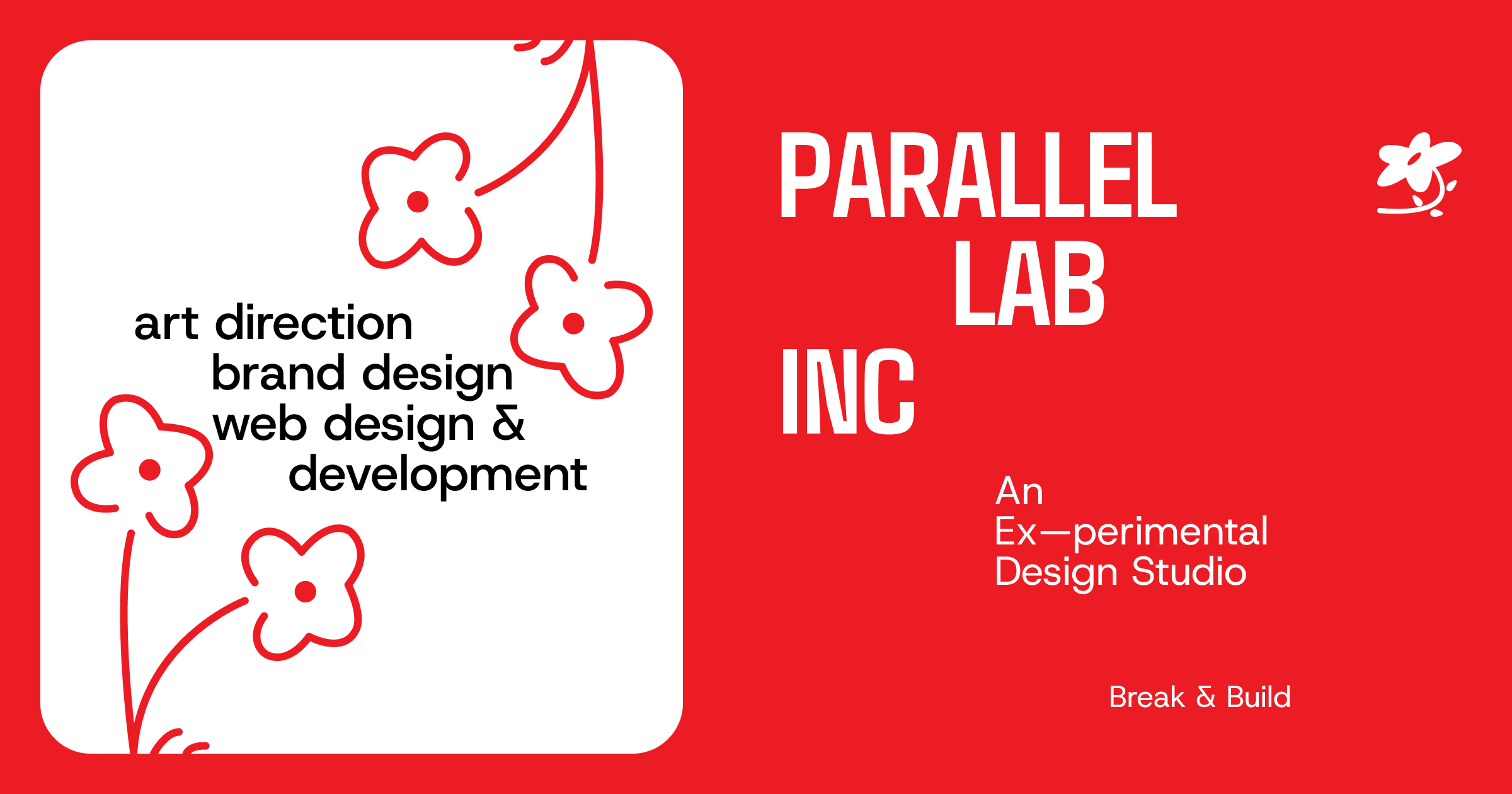
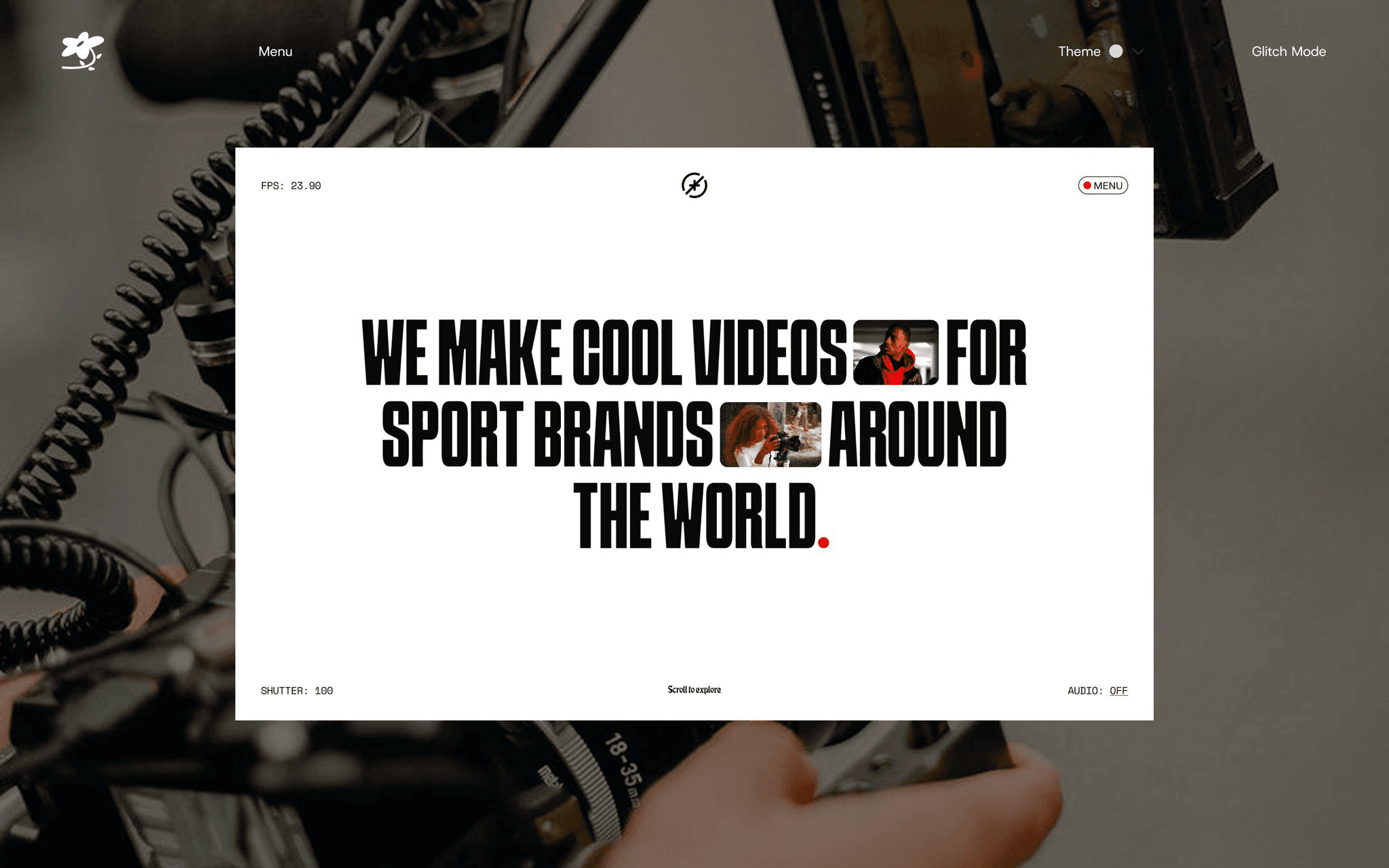
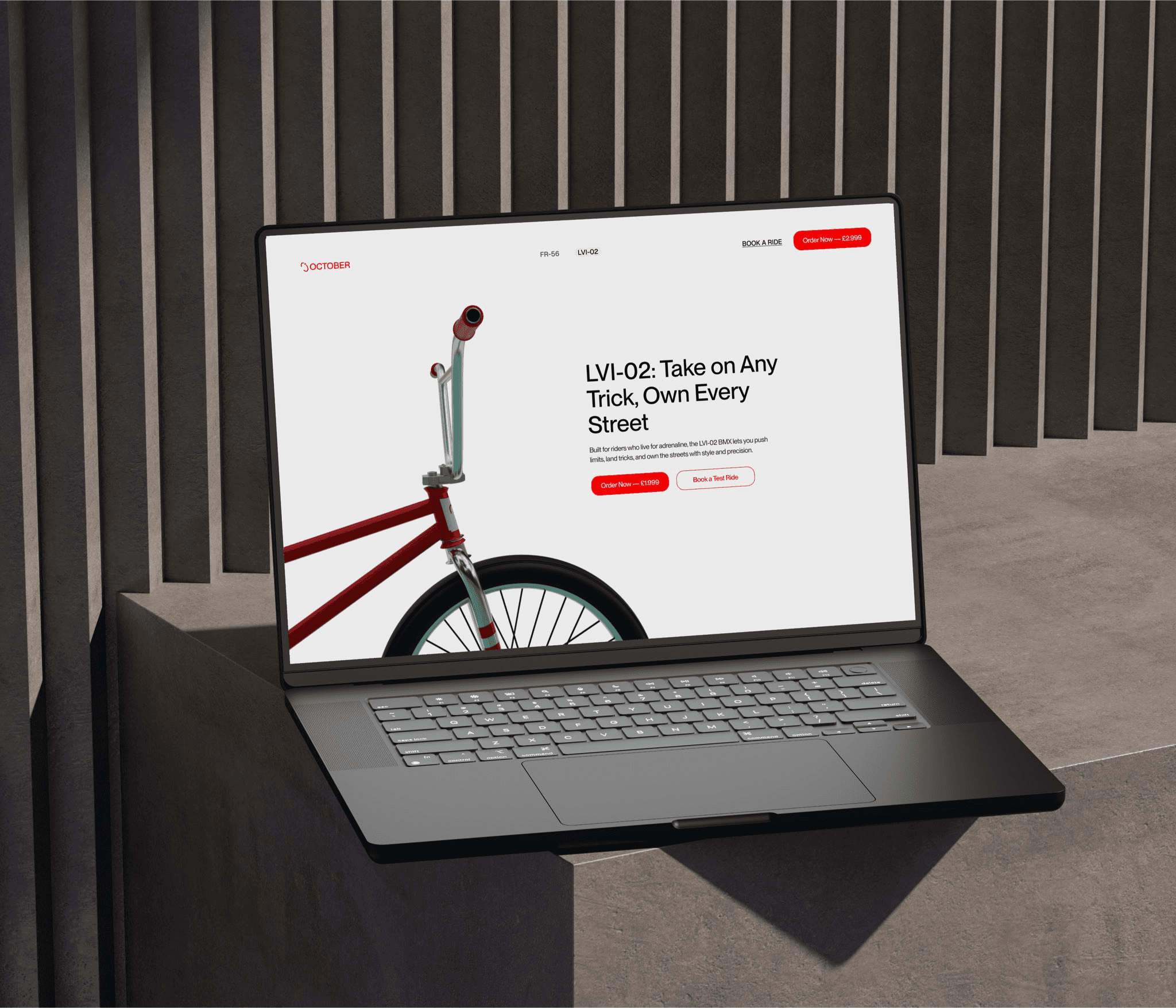
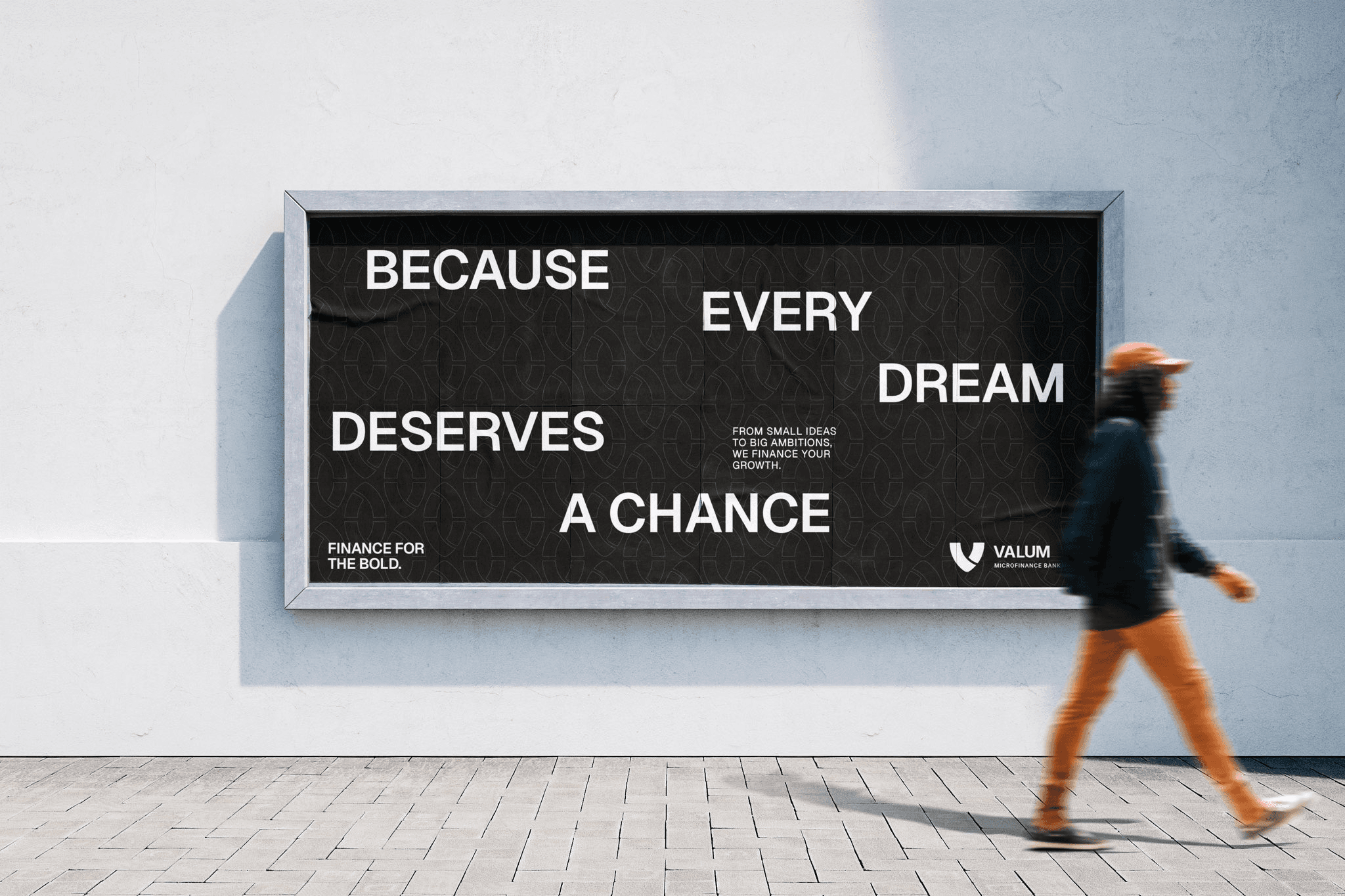
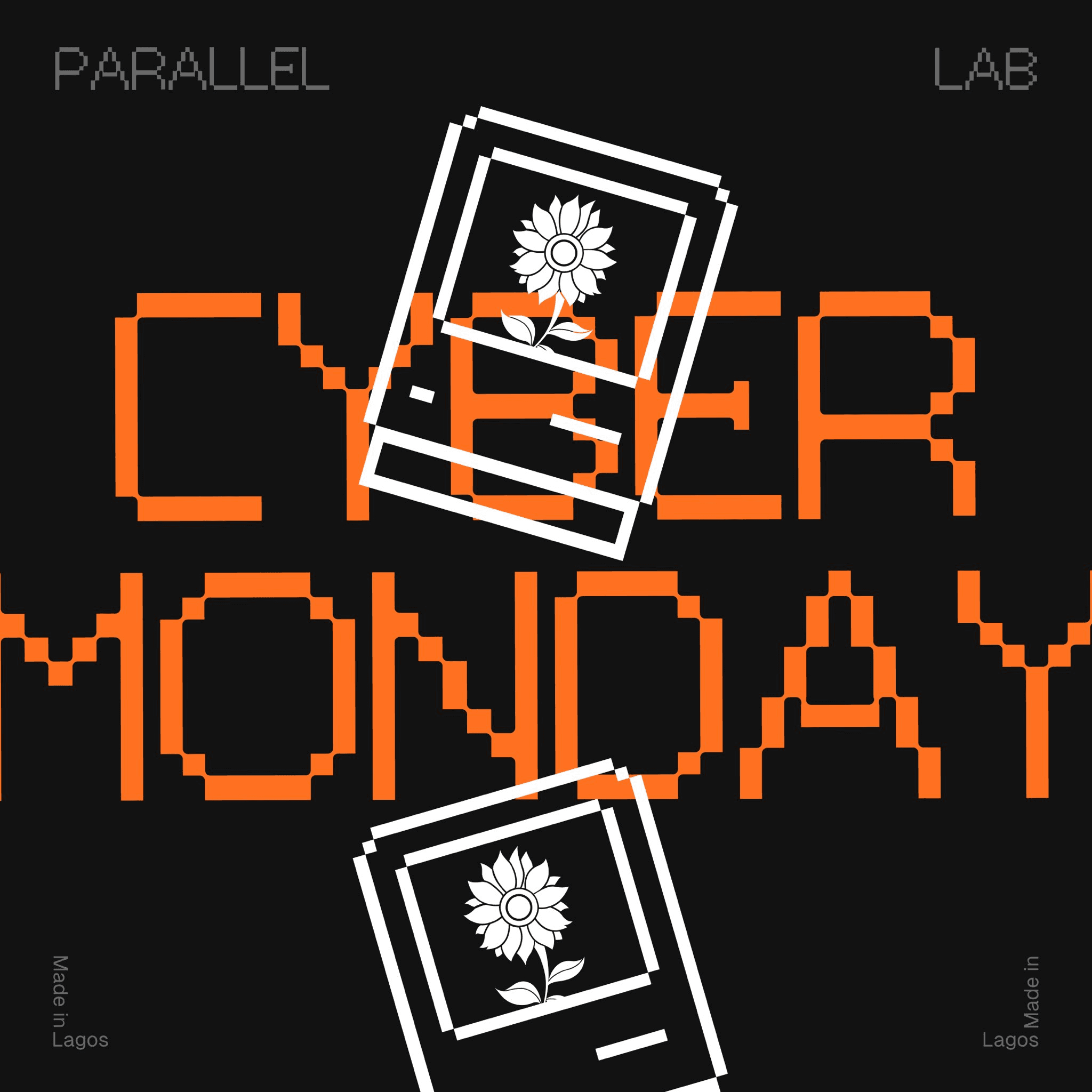
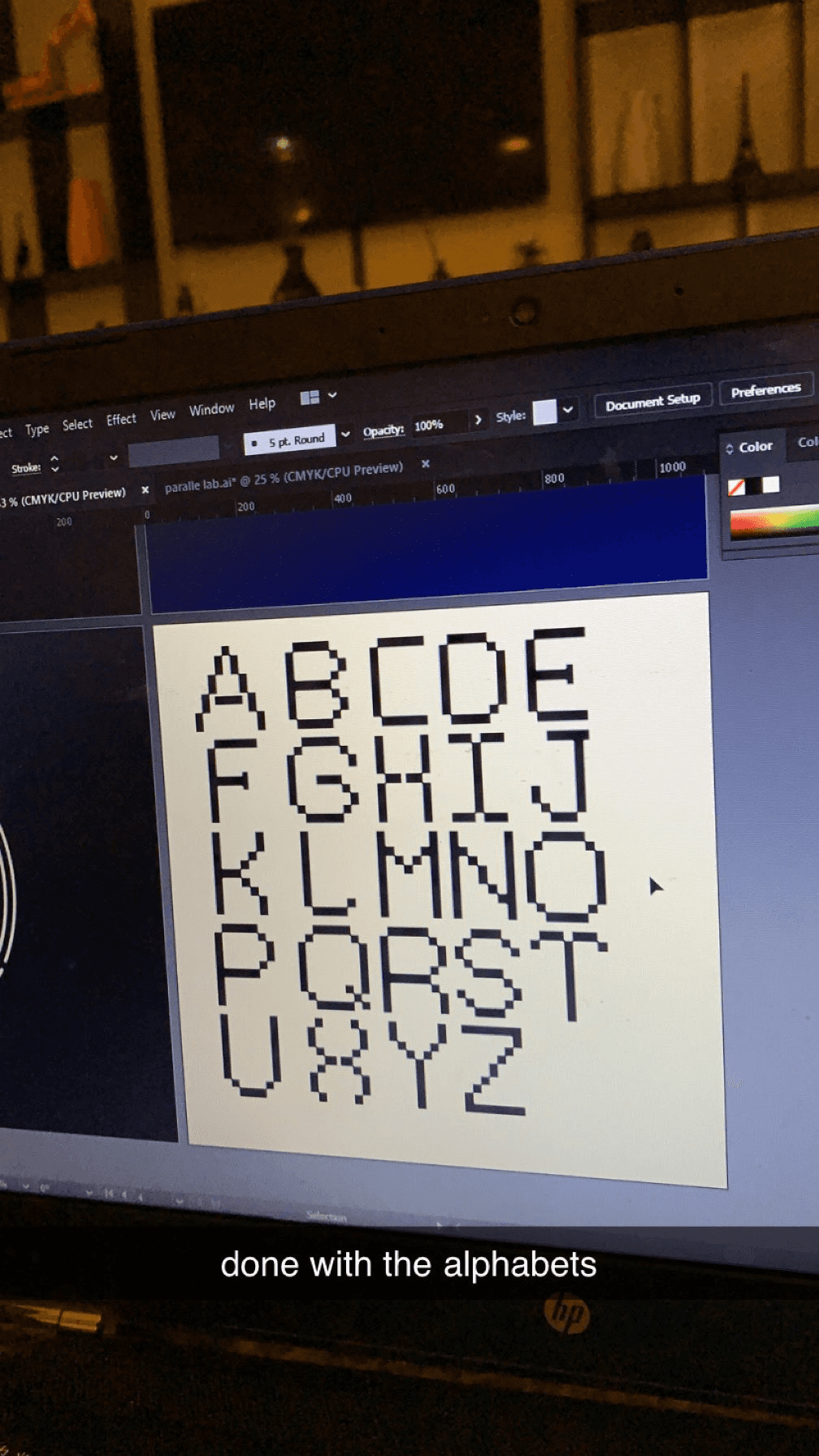
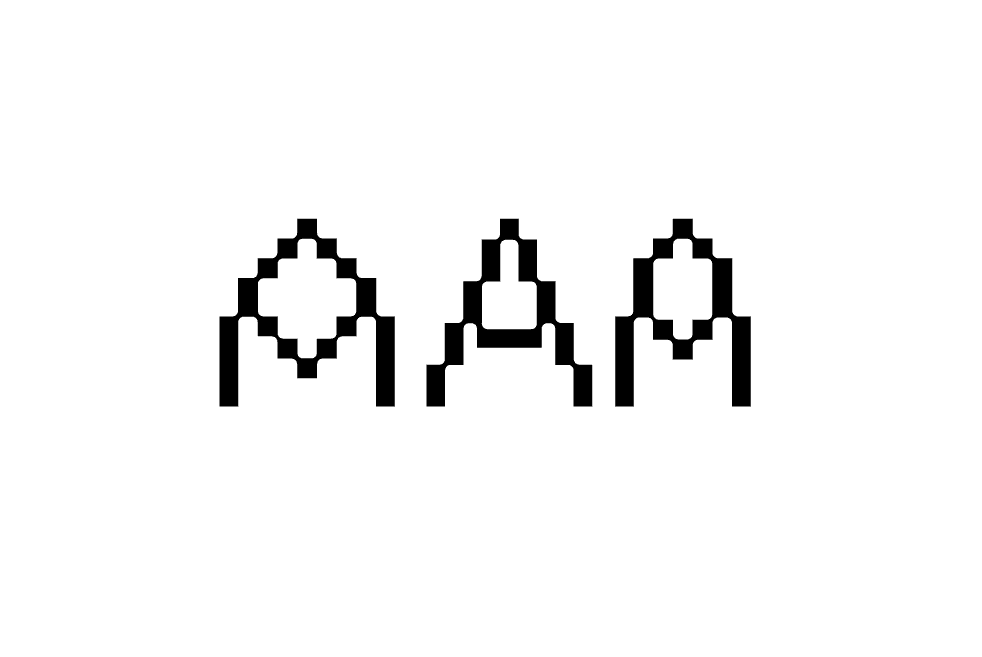
Identity: Parallel Lab is a form lab — a space where pixels and functionality are mixed deliberately to create experiences that feel as good as they work. The studio's aesthetic is considered and intentional without being cold. The work is built to evoke something in the people who use it, not just to function correctly.
That philosophy attracts a specific kind of client: one who understands that how something looks is inseparable from how it feels to use, and that both of those things have direct business consequences.
Lessons: Running Parallel Lab has reinforced a few things that no design school teaches:
Wearing many hats is not a burden — it's what makes you dangerous. The designer who understands business, user psychology, and technical constraints is orders of magnitude more valuable than the one who only understands visual craft.
Good design is not decoration. It is a business decision with measurable outcomes. The studios that understand this will always outlast the ones that don't.
Keeping the team lean is not a limitation. It is a deliberate choice that protects quality and focus.
The best client relationships are not transactional. They are partnerships built on trust, honesty, and a shared belief that the work matters.

Credits
Founding team: Frame (Co-founder, Design), Developer, Project Manager.